
Two days, one devotion
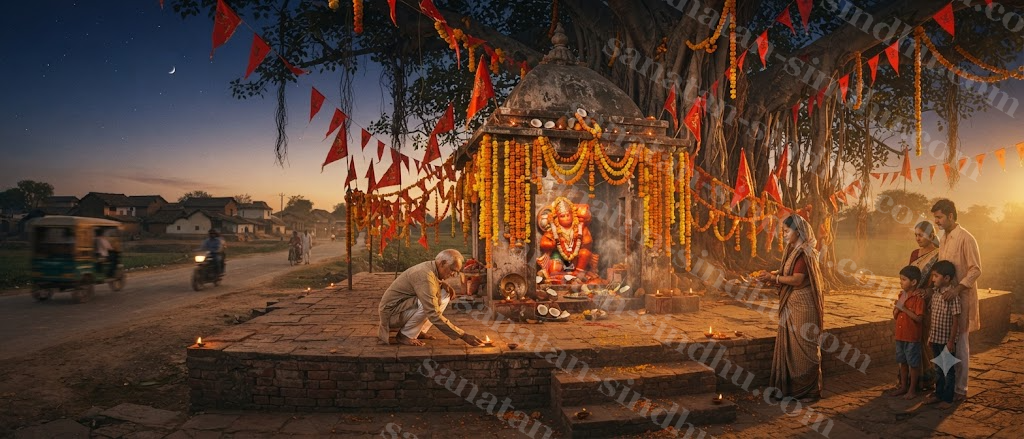
Unlike every regional-kin grouping this series has covered — Karva Chauth's Andhra, Tamil and Karnataka cousins, or the three Teej observances covered elsewhere in this series — the Hanumān vrata's "two versions" aren't regional at all. The same fast, the same god, the same general shape of worship is simply claimed by two different weekdays, Mangalvār (Tuesday) and Śanivār (Saturday), for two entirely different reasons. Most devotees pick one day and keep it consistently; some keep both. This essay treats it as one vrata with two calendar anchors, not two separate observances.
Maṅgal — Mars, and the quality it shares with Hanumān
Maṅgalvār takes its name from Maṅgala, the Sanskrit name for the planet Mars — governor, in Jyotiṣa, of physical courage, action, vitality and the capacity to fight through obstacles. Every one of those is also, independently, a quality the tradition already associates with Hanumān: red, Hanumān's own colour (this series' essay on his lore traces that association to the sindūr he applies to his own body out of devotion to Rāma), martial strength, and an unhesitating willingness to act. The link between Tuesday and Hanumān is this shared temperament read across an astrological day and a devotional figure, rather than a specific Purāṇic verse assigning the god to the day by name.
Śanivār — the pact with Śani
Saturday's claim on Hanumān has an actual story behind it, and this series has already told it in full: this site's essay on Hanumān's lore and cultural significance traces, via the Skanda Purāṇa and regional folk Rāmāyaṇas, how Hanumān freed Śani Dev from imprisonment in Rāvaṇa's court and was rewarded with a lasting pact — that worshipping Hanumān, especially with an offering of mustard oil on a Saturday, would soften the harshest effects of Śani's astrological transits (Sāḍe Sātī, Śani Ḍhaiyā). Rather than repeat that story at length here, this essay keeps to the vrata's own practice and points there for the fuller telling.
Keeping the fast
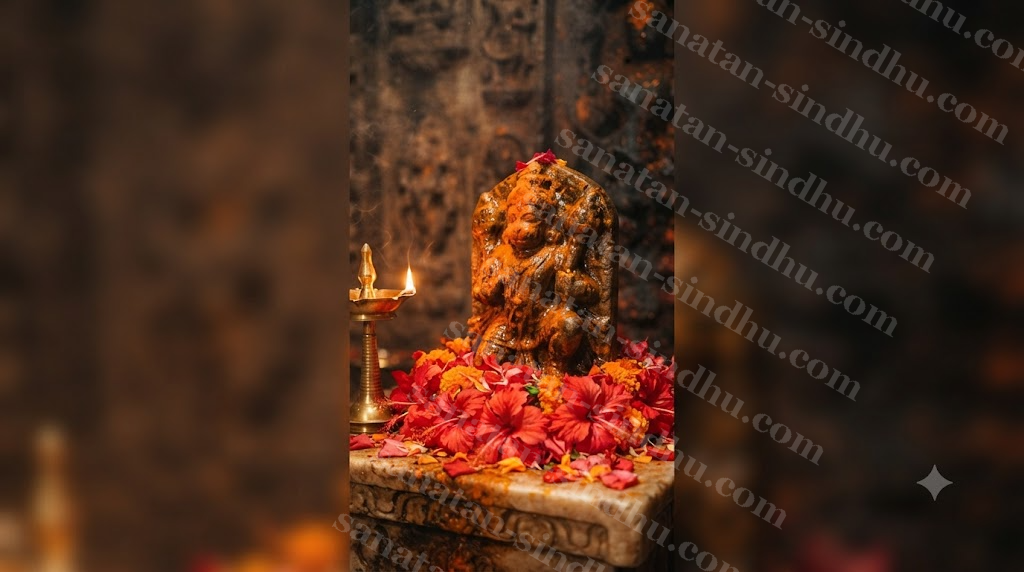
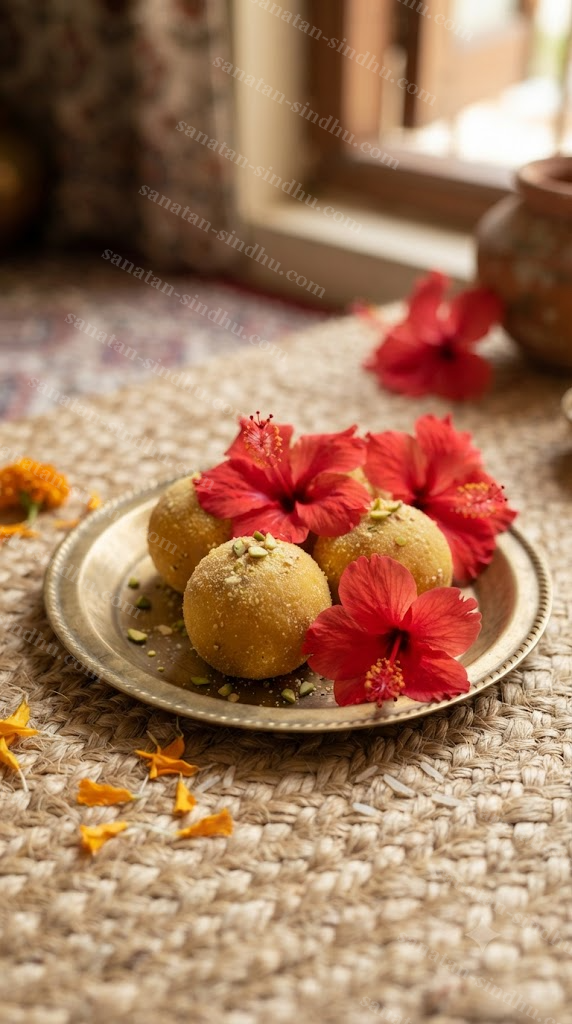
Most devotees keep a lighter observance than the nirjala fasts elsewhere in this series — commonly a single meal after sunset rather than a full waterless day, though stricter versions exist. The core of the practice is recitation: the Hanumān Chālīsā or the more martial Bajraṅg Bāṇ, offered at a Hanumān shrine or at home. Red flowers and sindūr are offered to Hanumān's own image; on Saturday specifically, mustard oil is offered as well — directly enacting the pact described above, applied to Hanumān's own idol rather than to Śani's separately in most household practice. Bundī or besan laddu is the customary prasād. Beyond the formal fast, many devotees — including those who don't keep either day as a full vrata — avoid non-vegetarian food and alcohol specifically on Tuesdays and Saturdays year-round, a living practice broader than the vrata itself and worth naming as its own thing rather than folding into it.
Not every tradition agrees
As with every fast in this series, the cross-tradition disagreements named at length in the first essay — the Sikh and Ārya Samāj objections to ritual observance tied to a fixed weekly or lunar calendar day, Jainism's and Buddhism's rejection of Purāṇic authority outright — apply here too, and this essay doesn't repeat that ground.
Return to What Is a Vrata? — the textual foundations of Hindu fasting for the fuller cross-tradition treatment, and for the rest of the fasting series as each piece is added.
Sources
- Primary scripture and site cross-reference. Skanda Purāṇa and regional folk Rāmāyaṇas, for the Hanumān–Śani narrative, as previously sourced and cited in full in this site's Hanumān's lore and cultural significance essay — not re-cited here in detail.
- Living ritual practice. The Tuesday/Saturday fasting mechanics, mustard-oil offering, and the broader year-round dietary observance on these two weekdays, consulted via general festival-documentation and vrata-guide sources rather than a single named ethnographic study.